
In suit manufacturing, fabric processing involves more than cutting pieces to the required shape and stitching them together. Certain sections need additional treatment before assembly, particularly when interfacing materials, decorative elements, or printed details are involved. Heat pressing provides a way to combine materials or transfer designs through controlled temperature, pressure, and processing time. A Suit Heat Transfer Machine is used for these operations, connecting heat press technology with the requirements of garment production.
Unlike general-purpose fabric handling equipment, machines used for suit processing need to accommodate different fabric sections and pressing requirements. The arrangement of the working surface and the adjustment of operating conditions influence how materials are handled during production.
A finished suit contains several fabric layers and components. Lapels, collars, waist sections, and other parts may require additional materials to achieve their intended shape and construction.
Interfacing is commonly applied to selected fabric sections to provide structural support. Heat pressing can bond compatible interfacing materials to the base fabric before the pieces move to the sewing stage.
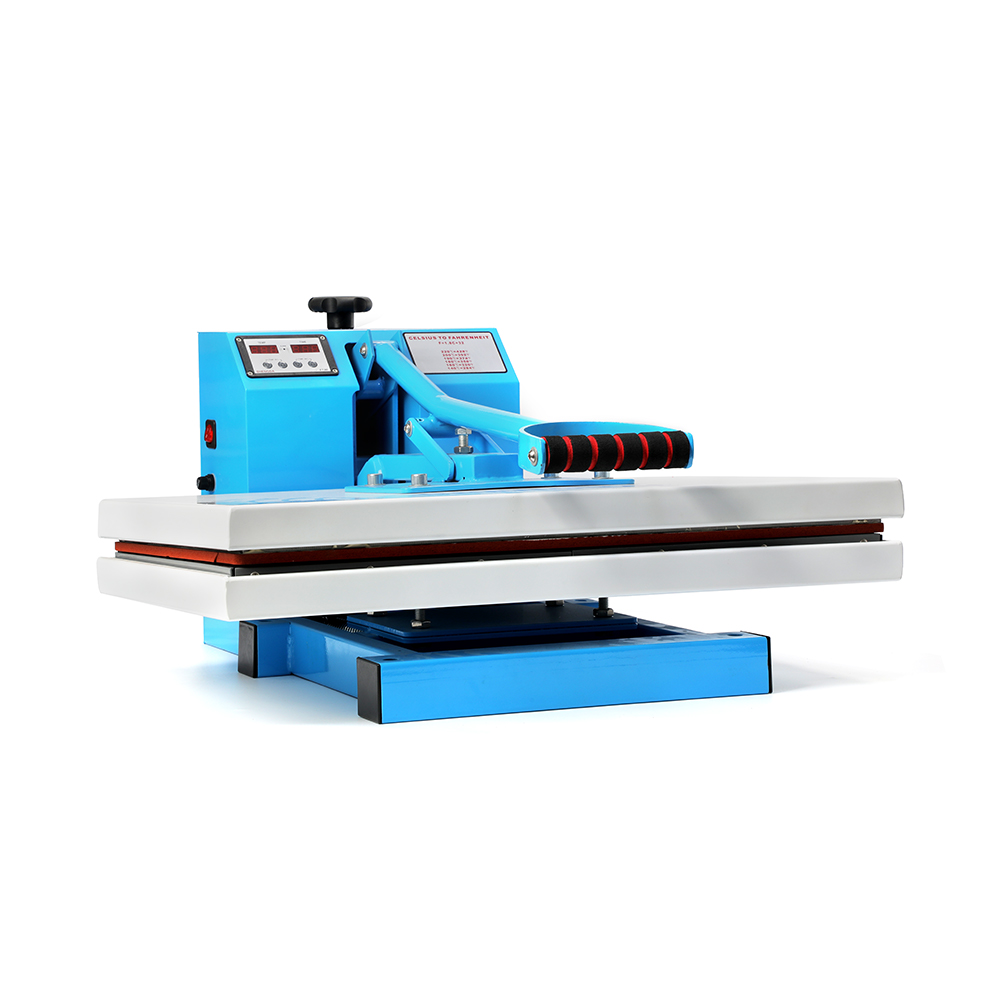
A Suit Heat Transfer Machine supports this type of operation by applying heat and pressure to the materials placed on its working surface. The required settings depend on the fabric composition, interfacing material, and bonding process.
Preparing these sections before assembly helps keep the manufacturing sequence organized and allows individual fabric pieces to receive the required treatment.
Suit fabrics vary in thickness, weave, and surface characteristics. A lightweight lining fabric does not respond to pressing in the same way as a thicker outer fabric or a layered collar section.
Pressure adjustment is therefore an important consideration in heat press equipment. Excessive pressure may affect the appearance of delicate materials, while insufficient pressure may prevent proper contact between layers.
A Suit Heat Transfer Machine with adjustable pressure gives operators a way to adapt the pressing process to different material combinations. The working pressure needs to correspond with the construction of the fabric assembly rather than following one fixed setting for every garment component.
Heat transfer and bonding depend on the relationship between temperature, pressure, and processing duration. These conditions influence how the material responds during pressing.
If the pressing time is too short, the intended transfer or bonding process may remain incomplete. Excessive exposure can affect certain fabrics or transfer materials. Operators therefore need to follow the requirements of the materials being processed.
Digital time controllers help manage this stage by allowing users to set a processing duration. The heat transfer machine range offered by Jinyun County Shengda Sewing Equipment Co., Ltd. includes digital time control and an alarm when the preset time is reached.
For a Suit Heat Transfer Machine, time control is particularly relevant when production involves repeated pressing operations across multiple fabric sections.
Heat transfer equipment is also used to apply designs, lettering, and other decorative details to fabric products. In clothing production, these operations may involve labels, logos, or specific visual elements required by a garment design.
The placement of the transfer material needs to be determined before pressing. Fabric alignment, transfer position, and the available working area all influence the processing arrangement.
A silicone mat provides a working surface for heat pressing. The equipment range listed by Shengda includes a silicone mat designed to withstand temperatures up to 200°C. Actual operating conditions should be matched to the selected transfer material and fabric requirements.
These functions make a Suit Heat Transfer Machine relevant to both material bonding and selected decorative processing tasks.
Production volume and working arrangements influence the type of heat press selected by a garment factory. Single-station equipment uses one working position for loading, positioning, and pressing materials.
Double-station equipment provides two working positions, allowing operators to arrange another fabric section while the other station is being used. This arrangement can support a different production rhythm, depending on the operation and operator workflow.
Shengda's product range includes pneumatic single-station and double-station heat transfer machines, as well as models such as the 4050 Suit Heat Transfer Machine and ST-6080 Heat Transfer Machine.
When selecting a Suit Heat Transfer Machine, garment manufacturers should consider the dimensions of the fabric pieces, required pressing operations, and available production space.
Heat press manufacturing involves coordinating the heating system, pressure mechanism, control components, working surface, and machine frame. Each part contributes to the equipment's operation.
Jinyun County Shengda Sewing Equipment Co., Ltd. develops and manufactures sewing-related equipment, electric irons, steam equipment, and heat presses. Its product range includes several heat transfer machine configurations for textile and garment processing.
For customized equipment requirements, manufacturers and buyers can discuss working dimensions, station arrangements, pressure adjustment, and control functions according to their production processes.
Before purchasing a Suit Heat Transfer Machine, buyers should identify the materials being processed, the required working area, pressing method, and production arrangement. It is also important to confirm whether the machine configuration matches the intended bonding or transfer operation.
The connection between fabric preparation and heat pressing is an important part of suit manufacturing. Selecting equipment according to the actual processing requirements helps garment factories coordinate material treatment with subsequent cutting, sewing, and assembly operations.
 +86-578-3158872 / +86-578-3158958
 jyshengda@163.com / caroying@jy-shengda.com
 No. 8 Nanyi Rd, Huzhen Industrial Park, Zhejiang, China
Copyright © Jinyun Shengda Sewing Equipment Co., Ltd. All Rights Reserved.
Ironing Press Machine Equipment Factory
 English
 中文简体
 русский
 عربى
