
In professional garment finishing, the result of ironing depends on more than soleplate temperature and pressing pressure. The moment steam reaches the fabric can also influence how smoothly an operator completes a garment. Collars, cuffs, seams and larger fabric panels do not always require the same treatment. A Steam Solenoid Valve For Iron plays a role in this process by controlling when steam enters the iron and how it is delivered during operation.
The difference becomes noticeable in workshops handling mixed garment orders. Operators may move from lightweight shirts to heavier jackets within the same shift. Their working rhythm changes with fabric thickness, garment shape and the amount of pressing required at each stage.
A shirt collar requires a different ironing movement from a large front panel. Smaller areas often need short, carefully timed steam applications, while larger sections may involve longer movements across the fabric.
When the operator presses the steam control, the electrical signal activates the valve and opens the steam passage. Releasing the control stops the signal and returns the valve to its closed position, provided the valve is operating normally.
A Steam Solenoid Valve For Iron therefore has a direct connection with the timing of steam application. Its response needs to match the operator's movements rather than deliver steam independently of the pressing process.
In garment production, this relationship becomes particularly relevant when workers alternate between detailed finishing and larger pressing operations. Inconsistent response can interrupt the normal sequence, requiring additional movements or repeated treatment of an area.
Different textile materials retain moisture and respond to heat in different ways. Lightweight synthetic fabrics may require careful steam application to avoid excessive moisture, while thick cotton garments can need more attention around folded seams and layered areas.
The operator usually considers several factors together: fabric composition, soleplate temperature, pressing duration and steam quantity. Applying steam without considering these conditions can leave a garment damp or create uneven finishing results.
A Steam Solenoid Valve For Iron is one part of this working process. Its opening and closing behaviour determines when steam becomes available at the iron, while the operator controls the actual pressing movement.
For equipment manufacturers, the relationship between steam delivery and temperature control is relevant during product testing. A machine may produce sufficient steam, but the interaction between its electrical controls and mechanical components still needs to be evaluated under normal working conditions.
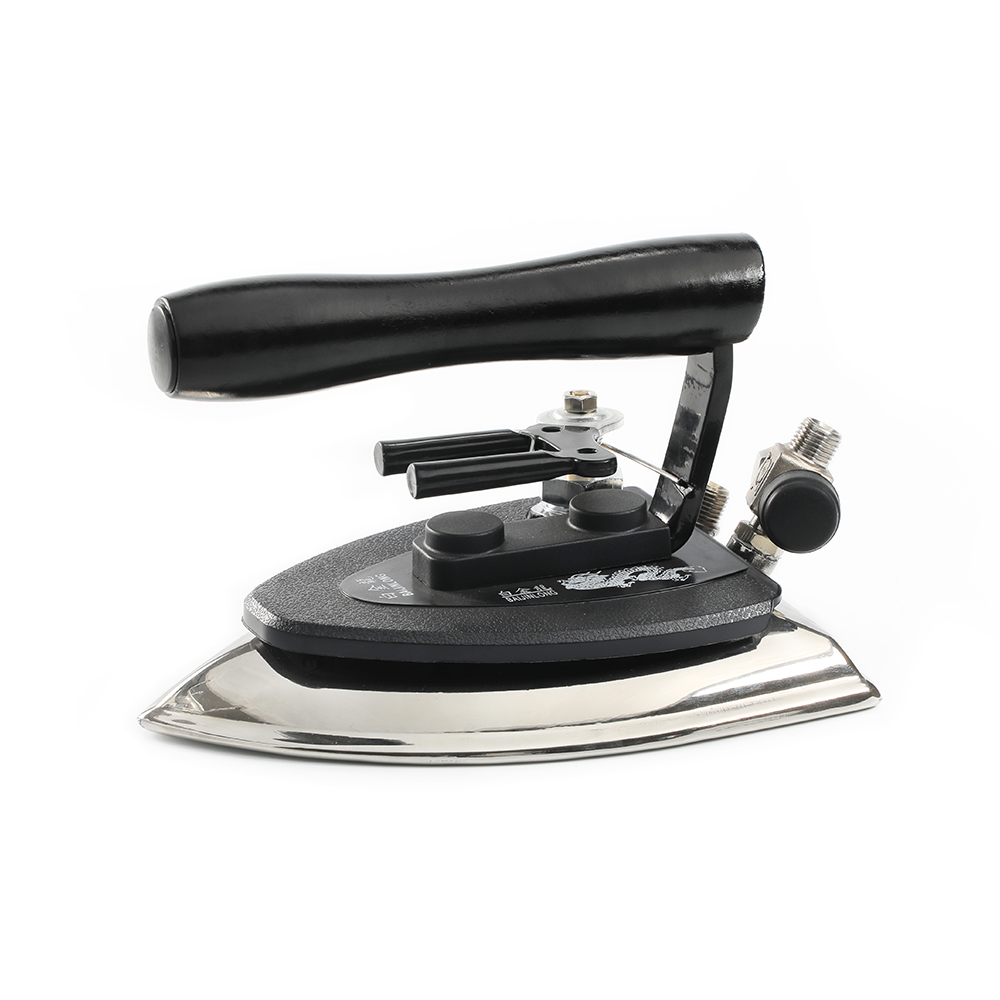
Garment finishing often involves details that are difficult to treat with a single continuous pressing movement. Sleeve openings, pocket edges, collars and folded hems require the operator to change the iron's position several times.
These movements create repeated demands on the steam control system. A short steam release may be suitable for one section, followed by a longer application on a thicker area.
A Steam Solenoid Valve For Iron needs to maintain consistent switching behaviour throughout these operations. Delayed closure can result in unwanted steam release after the operator has moved the iron away. An irregular opening response can also make it harder to coordinate steam with hand movements.
Such details are relevant to commercial ironing stations, where the same type of finishing work may be repeated across large garment batches.
Testing an ironing component under a single operating condition does not necessarily represent its performance during a full production shift.
Manufacturers evaluating a Steam Solenoid Valve For Iron can consider different working sequences during equipment development. Short steam applications, longer pressing periods and repeated changes between these two conditions provide useful observations about valve response.
The testing process can also examine whether the valve closes properly after the control signal ends and whether the electrical connection remains stable during normal operation.
Steam temperature, operating pressure and coil specifications need to remain within the component's rated conditions. These parameters should be checked against the actual equipment requirements rather than assumed from the appearance of a similar valve.
For OEM manufacturers, practical testing is particularly relevant when integrating steam components into different iron models or commercial ironing systems.
A garment finishing line is made up of many individual operations. Workers prepare fabric, shape seams, press larger surfaces and inspect finished garments before packing. Steam irons may be used at several points throughout this process.
A Steam Solenoid Valve For Iron operates within this wider workflow, connecting the electrical control signal with the physical delivery of steam. Its performance influences how naturally the steam function fits into the operator's working sequence.
When equipment is evaluated for commercial applications, attention to this small component is part of understanding the complete ironing process. The relationship between steam timing, fabric handling and pressing movements remains relevant from individual workstations to larger garment production facilities.
 +86-578-3158872 / +86-578-3158958
 jyshengda@163.com / caroying@jy-shengda.com
 No. 8 Nanyi Rd, Huzhen Industrial Park, Zhejiang, China
Copyright © Jinyun Shengda Sewing Equipment Co., Ltd. All Rights Reserved.
Ironing Press Machine Equipment Factory
 English
 中文简体
 русский
 عربى
