The ST-600H All Steam Iron is designed for users who need dependable steam performance, comfortable operation, durable construction, and consistent garment-care results. It combines an imported stainless steel soleplate, a wooden ergonomic handle, a protective P.H.T cover, and a controlled steam system in one practical ironing tool. These features make it suitable for professional garment production, tailoring workshops, laundries, apparel finishing departments, uniform services, textile businesses, and demanding home users.
In modern garment care, an iron must do more than become hot. It must transfer heat evenly, deliver steam in a controlled manner, move smoothly across different fabrics, and remain comfortable during repeated use. Water leakage, excessive drainage, uneven heating, poor insulation, and uncomfortable handles can all reduce productivity and potentially damage clothing. The ST-600H addresses these concerns through a design that emphasizes pure steam output, minimal water drainage, material durability, heat distribution, and user control.
The iron is produced by Jinyun County Shengda Sewing Equipment Co., Ltd., a Chinese manufacturer specializing in ironing equipment and related machinery. The company has developed and manufactured electric irons, steam irons, hanging irons, spray guns, small steam machines, heat transfer machines, steam boilers, vacuum tables, and accessories since 2003. Its broad product experience enables it to understand the complete workflow surrounding garment finishing rather than treating the iron as an isolated product.
For buyers comparing professional ironing equipment, the ST-600H offers a balanced solution. Its purpose is not merely to provide high heat, but to combine heat, steam, movement, and operator comfort into a reliable working system. This article explains the product’s construction, operating advantages, manufacturing strengths, maintenance considerations, and suitability for different users.

ST-600H All Steam Iron
Steam ironing is an important stage in the production, maintenance, and presentation of garments. It can remove wrinkles, shape fabric, improve seams, open hems, refine collars and cuffs, and give finished clothing a cleaner appearance. In professional settings, the quality of ironing directly affects productivity and customer satisfaction.
A household iron may be suitable for occasional use, but professional work often requires longer operating periods and more consistent results. Operators may process shirts, trousers, jackets, uniforms, dresses, curtains, bedding, or other textile products. These tasks demand equipment that can withstand repeated heating and cooling cycles while maintaining a stable working performance.
An all steam iron is particularly useful because steam helps relax textile fibers. When combined with the pressure of the soleplate and the appropriate temperature, steam allows wrinkles to be removed more efficiently than dry heat alone. It can also reduce the amount of physical force required from the operator. This is important when many garments must be finished in a limited amount of time.
However, useful steam must be controlled. Excessive water or wet steam can leave spots, create damp patches, and slow down the finishing process. Water escaping through the soleplate may also increase the risk of staining or damaging sensitive fabrics. For this reason, the ST-600H places strong emphasis on pure steam output and a drainage system that releases only a small amount of water.
The ST-600H All Steam Iron is engineered as a professional garment-care tool with a focus on efficient steam delivery and long-term usability. Its principal design elements include an imported stainless steel soleplate, a wooden handle, an elegant P.H.T cover, a steam valve system, and a drainage arrangement intended to limit unnecessary water loss.
The stainless steel soleplate forms the main contact surface between the iron and the garment. It is designed to heat evenly, glide smoothly, and resist wear, corrosion, and rust. The wooden handle provides a comfortable grip and contributes to heat insulation. The P.H.T cover protects internal components while also giving the iron a modern appearance.
The product is intended to produce dry and consistent steam without water droplets escaping from the soleplate during normal operation. This characteristic is valuable when working with fabrics that require careful treatment. The user can concentrate on garment shaping and wrinkle removal instead of repeatedly checking for leaks or wet marks.
Another important characteristic is minimal water drainage. The system is designed to maintain effective steam production while releasing only a small amount of water. This helps extend working intervals between refills and supports a more efficient workflow. The drain valve is positioned for convenient access, allowing routine maintenance to be completed without unnecessary interruption.
The ST-600H is designed to produce pure steam rather than uncontrolled moisture. Pure steam can penetrate and relax fabric fibers while minimizing the risk of water droplets reaching the garment surface. This is especially useful for clothing that must look clean and dry immediately after pressing.
Consistent steam also makes the operator’s technique more predictable. When steam output fluctuates or water is released unexpectedly, the operator may need to change pressure, speed, or the direction of movement. A more stable output supports a uniform process across multiple garments.
Efficient steam performance can reduce the effort required to remove wrinkles. Instead of repeatedly passing over the same area, the operator can use a controlled combination of heat, moisture, and pressure. This can help improve productivity in tailoring shops, laundry departments, apparel factories, and uniform-processing centers.
The steam system is also designed to support fabric care. Different textiles respond differently to heat and moisture, so an iron should provide enough steam to relax fibers without creating unnecessary wetness. The ST-600H’s pure steam concept is intended to support this balance.
Water leakage is one of the most common problems associated with poorly controlled steam irons. Droplets may leave marks on garments, cause localized dampness, or make the finished product appear incomplete. On certain fabrics, water spots can be difficult to remove without additional treatment.
The ST-600H is designed to prevent water from escaping through the soleplate during normal operation. Its steam-control arrangement helps separate the useful steam output from unwanted liquid discharge. This gives the operator better confidence when working on finished garments or delicate materials.
Reduced leakage is also beneficial for the work environment. Less water on the ironing table means fewer interruptions for wiping surfaces and less risk of moisture reaching nearby equipment. It can contribute to a cleaner and more organized production area.
The drainage system releases only a small amount of water while supporting continued steam production. This is a practical advantage for users who need to work for extended periods. Frequent draining or refilling can interrupt production, reduce operator efficiency, and make workflow planning more difficult.
By limiting unnecessary water loss, the ST-600H helps preserve the available water supply for steam generation. The result is a more efficient operating cycle. Users can spend more time processing garments and less time performing avoidable adjustments.
The drain valve is designed for accessibility. Easy access is important because drainage and cleaning are normal parts of steam-equipment maintenance. A valve that is difficult to reach may be neglected, allowing deposits or residual water to accumulate. Convenient access encourages regular care and supports reliable operation.
The imported stainless steel soleplate is one of the most important structural features of the ST-600H. Stainless steel offers resistance to wear, corrosion, and rust, making it suitable for repeated contact with fabrics and exposure to heat and steam.
A durable soleplate helps preserve the working characteristics of the iron over time. If the contact surface becomes rough, damaged, or corroded, it may drag across clothing, catch on fabric, or distribute heat unevenly. The stainless steel construction is intended to provide a smooth and stable surface for long-term use.
The soleplate also supports efficient heat transfer. Even heat distribution can reduce hot spots and cold areas. This allows the operator to work more consistently across a garment, helping prevent one section from being under-processed while another section receives excessive heat.
For professional users, durability has a direct relationship with ownership cost. Equipment that remains functional and effective for a longer period can reduce replacement frequency and limit production interruptions. The soleplate’s material selection therefore contributes not only to performance but also to practical value.
The wooden handle is designed to provide a firm and comfortable grip during extended ironing sessions. Operators who use an iron for several hours need a handle that supports controlled movement without causing excessive hand strain.
The natural wood material also provides a degree of heat insulation. Since the iron operates at high temperatures, a handle that helps reduce heat transfer toward the user’s hand can improve comfort and confidence. The handle’s shape is intended to support secure operation while allowing the iron to be guided smoothly across the garment.
Ergonomics are sometimes overlooked when buyers compare ironing equipment, but they have a significant effect on productivity. An uncomfortable handle can lead to frequent breaks, reduced precision, and operator fatigue. A comfortable grip helps the user maintain a consistent working rhythm.
The wooden handle also gives the ST-600H a distinctive appearance. It combines a practical natural material with a professional equipment design, making the iron suitable for both industrial work areas and high-quality garment-care environments.
The P.H.T cover provides an additional layer of protection around the iron’s internal components. A cover can help shield internal parts from direct contact, accidental impact, and general environmental exposure during normal operation.
In addition to its protective role, the cover contributes to the product’s visual appeal. Professional equipment does not need to appear purely functional. A clean and modern appearance can support a more organized working environment and reinforce the impression of product quality when customers visit a workshop or service center.
The cover also helps create a coherent product structure by integrating the handle, body, and operating components into a compact design. This supports easier handling and gives the iron a finished appearance appropriate for commercial applications.
The combination of controlled steam, minimal drainage, stainless steel construction, and ergonomic handling makes the ST-600H suitable for repeated use. It is intended for users who require more than occasional pressing and need equipment capable of supporting a steady workflow.
Extended work does not mean that maintenance can be ignored. Even a durable steam iron requires correct water management, cleaning, safe storage, and inspection. However, a well-designed product can make these responsibilities easier and reduce the likelihood of interruptions caused by avoidable design weaknesses.
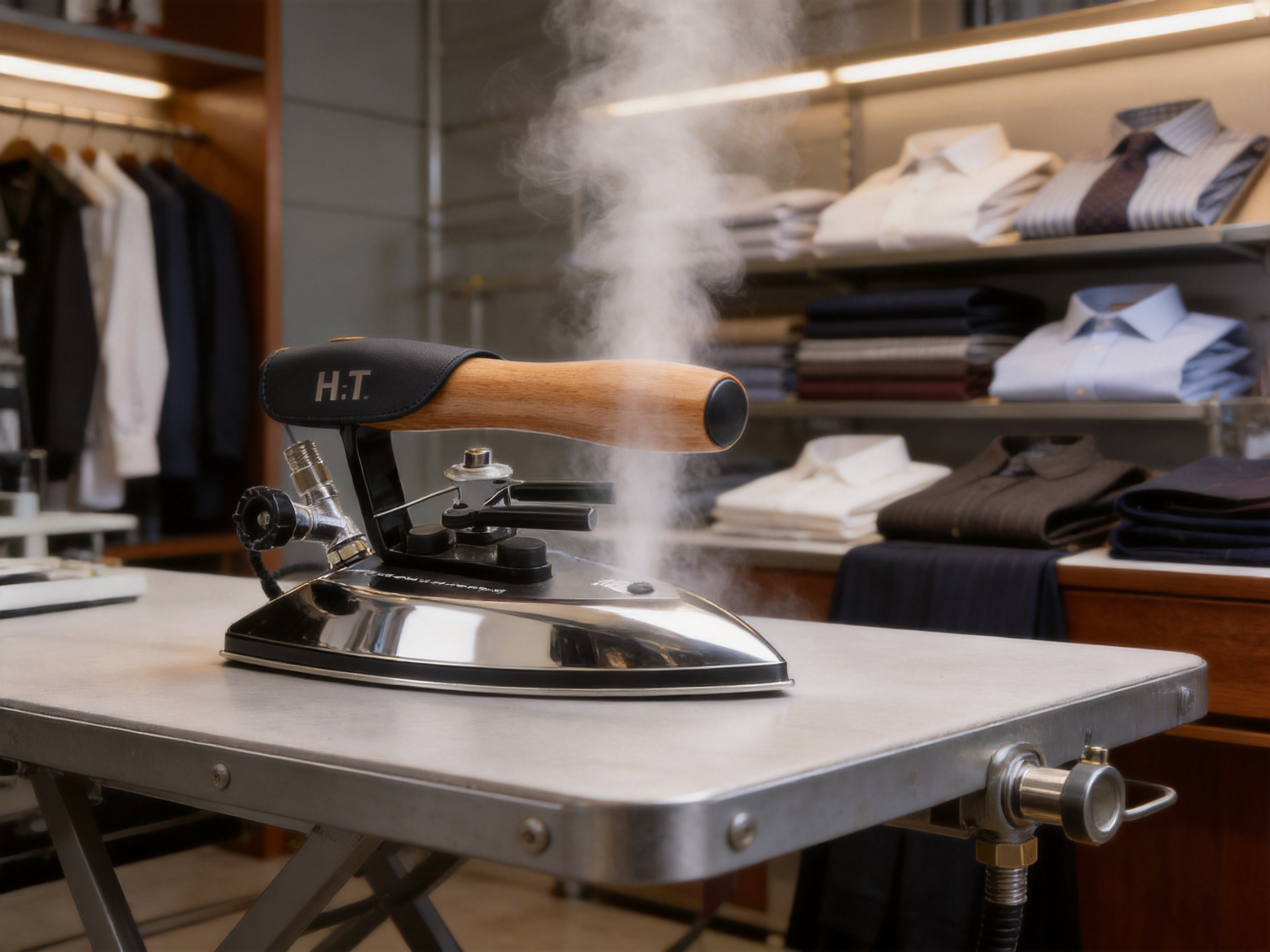
When professional users compare all steam irons, they generally consider several factors: steam quality, water control, soleplate material, operator comfort, durability, maintenance, and suitability for the intended workload. The ST-600H is positioned around these practical requirements rather than relying on a single feature.
Some steam irons may generate moisture that is not fully controlled. The result can be droplets, wet patches, or inconsistent output. The ST-600H is designed to emphasize pure steam delivery, giving users a cleaner working process and reducing the need for repeated passes.
This advantage is particularly relevant when pressing garments that are nearly ready for packaging or customer delivery. A garment that leaves the ironing table damp may need additional drying time. By limiting unwanted water release, the ST-600H supports faster transition from pressing to inspection, folding, or packing.
The stainless steel soleplate provides a durable and smooth contact surface. Compared with lower-quality surfaces that may wear quickly or develop irregularities, the ST-600H’s soleplate is designed to retain its useful characteristics over extended service.
Smooth movement helps reduce snagging and makes it easier to guide the iron around buttons, seams, pockets, collars, and other garment details. The operator can apply the necessary pressure without fighting against excessive friction.
High steam output is valuable only when the iron can be maintained effectively. The ST-600H’s low-drainage concept and accessible drain valve support a practical balance between steam performance and routine care. The product is designed to preserve steam efficiency without making drainage unnecessarily complicated.
This balance may be especially helpful for small and medium-sized businesses. Such businesses often need professional-level results but may not have a large technical department dedicated to equipment maintenance. A straightforward design can reduce the time and skill required for routine attention.
The wooden handle is not simply a decorative component. It contributes to grip stability, heat insulation, and operator comfort. In professional ironing, these factors can influence both speed and consistency.
A comfortable iron helps users maintain the same technique across many garments. This may include consistent pressure, controlled movement, and accurate positioning. When the operator is less fatigued, the quality of finishing is easier to maintain throughout the working day.
Commercial ironing equipment is exposed to frequent handling, high temperatures, steam, and repeated movement. The ST-600H uses materials selected to support this type of working environment. The stainless steel soleplate resists corrosion and wear, while the protective cover helps safeguard internal components.
Durability does not eliminate the need for proper operation, but it can make the equipment more forgiving in daily use. Users benefit from an iron that is designed with long-term service in mind rather than short-term household convenience only.
Tailors need to shape garments accurately during construction and provide a polished finish before delivery. The ST-600H can support pressing operations involving seams, collars, sleeves, hems, waistbands, and other garment sections.
Controlled steam helps relax fabric during shaping, while the smooth soleplate allows the operator to move around detailed areas. The iron can be used as part of a broader tailoring workstation that may include a vacuum table, steam boiler, or other finishing accessories.
Laundries process a wide range of clothing and household textiles. They require equipment that can operate repeatedly and produce a clean appearance after washing and drying. The ST-600H’s emphasis on steam consistency and reduced water leakage can support professional presentation.
Because the iron is designed for efficient operation, it can be useful in services that need to return garments promptly. The operator can focus on wrinkle removal and finishing rather than dealing with frequent water spots or excessive drainage.
In apparel factories, ironing is often part of the final quality-control and presentation process. A garment may be correctly sewn but still fail to meet visual expectations if it has wrinkles, poorly shaped seams, or an untidy appearance.
The ST-600H can be integrated into finishing stations where operators prepare garments for inspection, folding, labeling, and shipment. Its durable soleplate and comfortable grip are suitable for repetitive production work.
Uniforms and workwear often require frequent care. Hotels, restaurants, hospitals, schools, transportation companies, and industrial businesses may operate internal or outsourced uniform services. Reliable pressing equipment helps maintain a professional appearance.
The ST-600H can support the finishing of shirts, trousers, jackets, and other uniform pieces. Its controlled steam output is useful when garments must be processed efficiently without leaving them unnecessarily wet.
Some home-based clothing businesses, online apparel sellers, costume designers, and alteration specialists need equipment that performs above the level of a standard household iron. The ST-600H offers a professional-oriented design while remaining practical for smaller working environments.
It may also be suitable for users who regularly press large quantities of garments and want more consistent steam performance. The product’s durable construction can make it a useful investment for small businesses that are building their production capabilities.
The ST-600H is supported by the manufacturing experience of Jinyun County Shengda Sewing Equipment Co., Ltd. The company was established in 2003 and specializes in the research, development, and production of ironing equipment and related machinery.
Its product range includes electric irons, steam irons, hanging irons, spray guns, small steam machines, heat transfer machines, steam boilers, vacuum tables, and accessories. This range indicates experience across several parts of the garment-finishing process. A manufacturer that understands boilers, vacuum tables, irons, and accessories can develop products with better awareness of how equipment is used together.
The company’s manufacturing approach is based on independent research and development, product improvement, quality upgrades, and coordinated work between research, management, and sales teams. This type of internal cooperation can help identify market requirements and convert them into product improvements.
Independent research and development allows a manufacturer to improve product structures according to customer feedback and operational experience. For an all steam iron, this may involve refining the steam valve, improving water control, selecting more suitable materials, adjusting the handle design, or strengthening component protection.
Product development is especially important in ironing equipment because performance depends on the interaction of several elements. The heating system, steam path, soleplate, drainage arrangement, body, and handle must work together. Improvements in one component should not create new problems elsewhere.
The ST-600H reflects a development direction that prioritizes pure steam, reduced drainage, long-lasting materials, and operator comfort. These priorities correspond to the most common practical requirements of professional users.
Experience across multiple equipment categories gives the manufacturer a broader understanding of textile production and garment care. Steam boilers provide steam sources, vacuum tables assist with garment positioning and moisture removal, and irons perform direct finishing. Accessories help complete the working system.
This broader knowledge can support better equipment compatibility and more practical product design. Buyers may also benefit from dealing with a supplier that can provide several related products instead of sourcing every component from a different manufacturer.
The company states that it follows national and industry standards, including GB4706.1-2005 and GB4706.2-2007. Its products have also passed CCC and CQC certifications. These standards and certifications demonstrate an emphasis on electrical safety and product compliance within the applicable certification framework.
Compliance is important because steam irons combine electricity, heat, water, and pressure-related operating conditions. Proper attention to standards helps manufacturers establish requirements for construction, electrical protection, insulation, and safe use.
Quality-oriented production also involves material selection and assembly control. For the ST-600H, the use of imported stainless steel for the soleplate, a protective P.H.T cover, and a carefully designed handle reflects attention to both performance and usability.
The company provides customization and OEM services. This can be valuable for distributors, importers, garment-equipment dealers, and businesses that need products adapted to their market or brand requirements.
Customization may involve packaging, labeling, product configuration, documentation, or other commercial requirements, depending on the specific project. Buyers should discuss technical expectations, order quantities, certification needs, and inspection procedures with the manufacturer before placing an order.
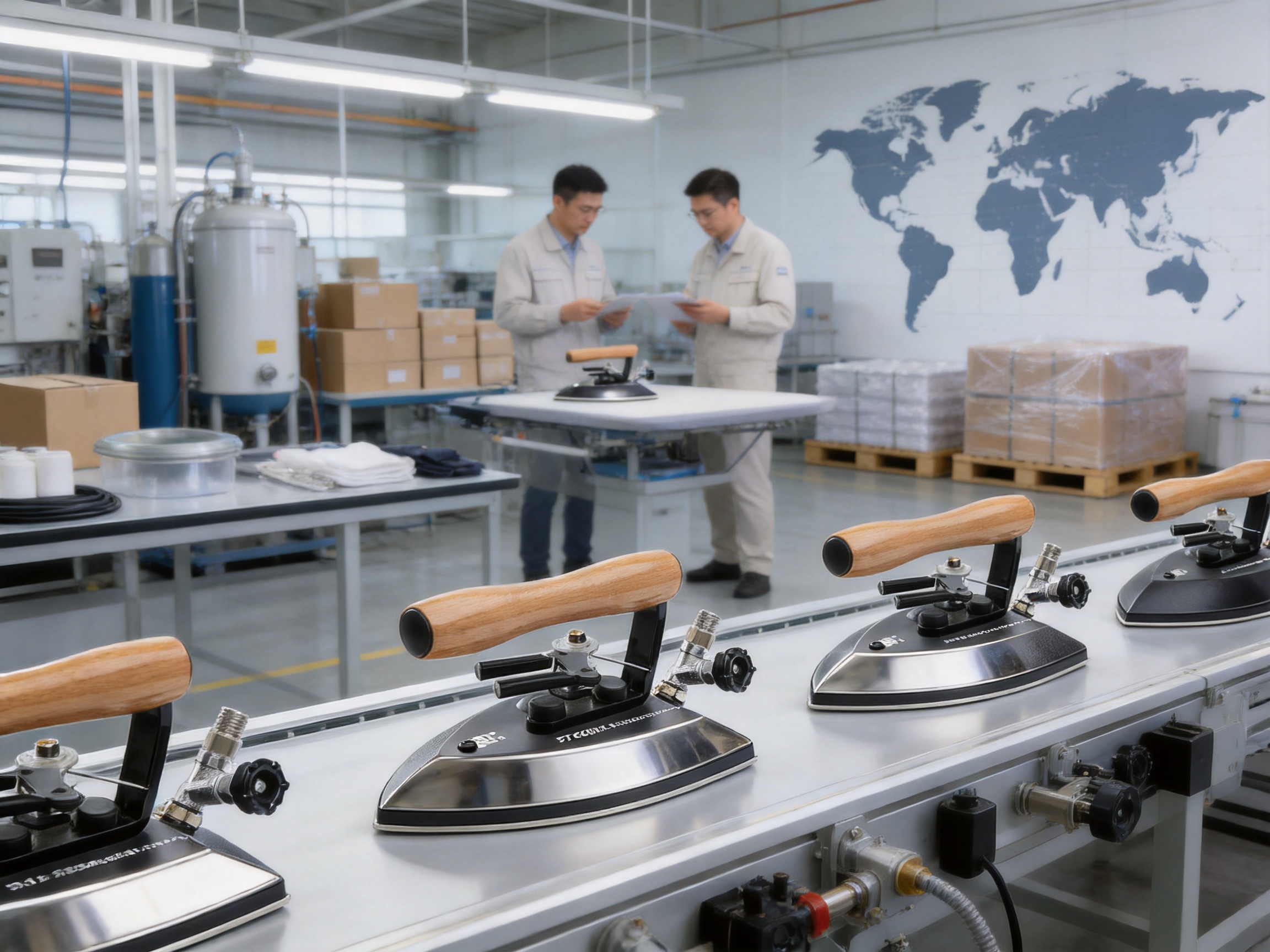
The company has established distribution channels in China and serves overseas customers. Its products are exported to Southeast Asia, Central Asia, South America, Africa, and other regions. International experience can help a manufacturer understand varied operating environments, shipping requirements, documentation needs, and customer expectations.
For overseas buyers, supplier communication is an important part of the purchasing decision. A manufacturer with international sales experience may be better prepared to support product selection, packaging coordination, export arrangements, and after-sales communication.
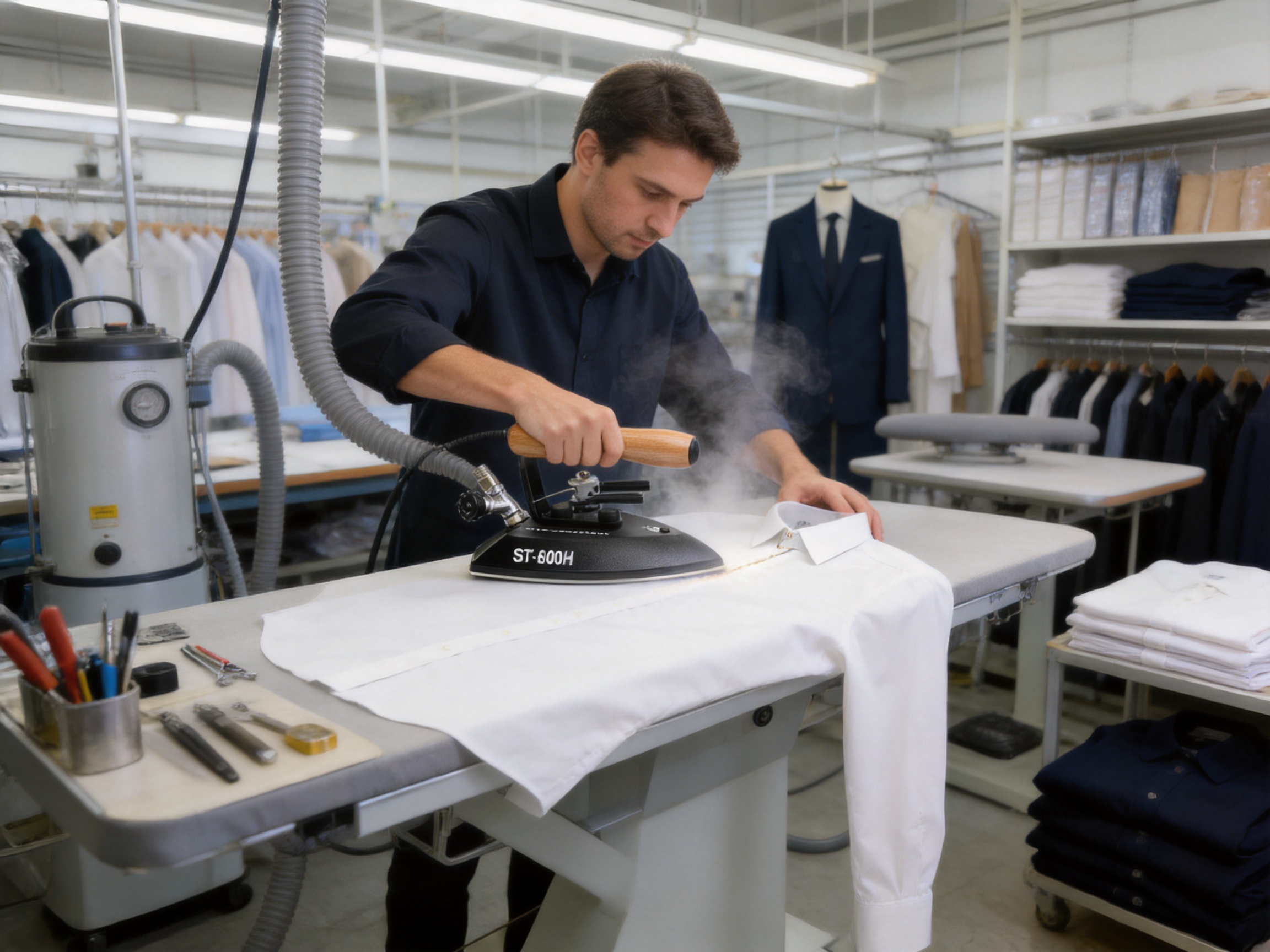
Effective ironing requires controlled heat transfer from the heating element through the soleplate and into the fabric. A soleplate that distributes heat evenly can help the operator process garments more consistently. Stainless steel is suitable for this role because it offers durability and supports uniform heat distribution.
Even heat does not mean that every fabric should be treated identically. Operators should still follow the care instructions for each garment and adjust their technique appropriately. The ST-600H provides a dependable contact surface, but correct temperature and steam practices remain essential.
Steam control influences both ironing efficiency and garment safety. Excess steam can make some materials too wet, while insufficient steam may require more pressure and repeated passes. The ST-600H is designed to produce pure steam and limit unwanted water discharge.
The steam valve is an important part of this process. It helps manage the movement of steam and water through the iron, supporting a more stable output. A well-controlled valve can also reduce the chance of water escaping through the soleplate.
Steam systems naturally require attention to residual water. Water that is not converted into steam must be managed through drainage. The ST-600H uses a drainage system intended to release only a small amount of water while maintaining steam performance.
Drainage should be performed according to the manufacturer’s recommended procedure. Users should allow the equipment to reach a safe condition before opening or operating any drain valve. Regular drainage can help reduce the accumulation of residue and support reliable performance.
The soleplate must remain clean and smooth. Adhesive residue, textile fibers, mineral deposits, or other contaminants can affect movement and may transfer to garments. The stainless steel construction supports durability, but it should still be cleaned with suitable methods.
Users should avoid abrasive tools or harsh chemicals that could scratch or damage the surface. A damaged soleplate may create friction and increase the risk of fabric snagging. Proper care protects both the iron and the garments being processed.
Before using the ST-600H, operators should inspect the power connection, steam connection if applicable, handle, body, soleplate, and drainage area. Any visible damage, loose component, or unusual condition should be addressed before operation.
The water supply should be appropriate for the equipment and local conditions. If the water contains a high level of minerals, deposits may accumulate more quickly. Users should follow the supplier’s recommendations regarding water quality, filtration, and cleaning intervals.
The iron should be allowed to reach its intended operating condition before pressing garments. Starting too early may produce unstable steam or excess moisture. Once the iron is ready, operators should test steam output on a suitable fabric area or test cloth when necessary.
Garments should be arranged on a stable ironing surface. A vacuum table or appropriate pressing table can improve positioning, remove residual moisture, and support better finishing. Operators should move the iron smoothly rather than holding it stationary on one area for too long.
After use, the iron should be placed in a safe position away from flammable materials and unattended work areas. Residual water should be managed according to the recommended procedure. The soleplate should be cleaned when cool and the equipment should be stored in a dry, protected location.
Regular cleaning helps preserve steam quality and soleplate movement. The frequency depends on operating hours, water quality, garment materials, and the working environment. High-use facilities may need a more frequent cleaning schedule than occasional users.
Cleaning should focus on the soleplate, steam passages, drainage area, and external surfaces. Deposits should be removed using methods approved for the equipment. Abrasive cleaning should be avoided because it may damage the stainless steel surface.
The drain valve should be checked periodically to ensure that it operates correctly. A valve that is blocked, difficult to turn, or leaking should be inspected before continued use. Keeping the drainage path clear helps maintain the intended balance between steam output and water management.
Electrical cables, plugs, and connections should be inspected regularly for wear, cracking, looseness, or heat damage. Steam equipment should be connected and operated according to applicable safety requirements. Repairs involving electrical components should be performed by qualified personnel.
The wooden handle should remain firmly attached and free from cracks or excessive movement. The P.H.T cover should also be checked for damage or looseness. These components contribute to safe handling and protection of the internal structure.
Correct operator training is an important part of equipment reliability. Staff should understand steam control, fabric handling, safe placement, drainage, cleaning, and emergency procedures. Training can reduce misuse and help extend the service life of the iron.
The ST-600H is designed for users who need more consistent performance than a basic household iron typically provides. A household model may be adequate for occasional garments, but professional environments often require longer operating periods, stronger construction, and more controlled steam.
One difference is the focus on pure steam output. Basic irons may release visible moisture or experience leakage under certain operating conditions. The ST-600H is specifically designed to minimize this problem, which is important for professional garment presentation.
Another difference is the soleplate material and durability focus. The imported stainless steel soleplate is designed for repeated use, smooth movement, and resistance to corrosion and wear. This is more suitable for a commercial workflow than a product intended only for light domestic use.
The wooden handle also reflects a professional-use orientation. Operators may hold and guide the iron continuously for long periods, so grip comfort and heat insulation are important. The ST-600H integrates these qualities into the operating design.
It is important to select equipment according to actual requirements. Users with very low ironing volumes may not need a professional all steam iron. However, for tailoring businesses, laundries, garment factories, and other users who prioritize productivity and reliable finishing, the ST-600H provides a more appropriate equipment category.
Distributors and commercial buyers often evaluate more than the product itself. They consider supplier reliability, product range, customization capability, certifications, packaging, shipment, technical communication, and after-sales support.
The manufacturer’s broad product portfolio allows buyers to source related ironing equipment from one supplier. A product range covering steam boilers, vacuum tables, irons, spray guns, heat transfer machines, and accessories can simplify procurement and help create integrated solutions for end users.
OEM and customization capability can also help distributors serve different markets. Buyers may require particular packaging formats, market documentation, branding arrangements, or product combinations. These details should be confirmed during the quotation and technical review stage.
International market experience is another advantage for commercial purchasers. Exporting to several regions requires awareness of shipping processes, product documentation, customer communication, and market-specific expectations. A supplier with established overseas business may provide a smoother purchasing experience.
Resource efficiency is increasingly important in garment-care operations. Efficient steam production can help users obtain good results without excessive water loss. The ST-600H’s minimal-drainage design supports this objective by reducing unnecessary water discharge during operation.
Durability also contributes to more responsible equipment use. A product that remains serviceable for a longer period can reduce the need for frequent replacement. The stainless steel soleplate is designed to resist corrosion and wear, supporting longer-term use when the iron is maintained correctly.
Energy and water consumption depend on the complete operating system, including the steam source, working temperature, usage habits, fabric type, and maintenance condition. Users can improve efficiency by avoiding unnecessary idle heating, selecting appropriate steam levels, keeping the soleplate clean, and training operators in efficient pressing methods.
Before purchasing the ST-600H, buyers should evaluate the intended application. Important questions include how many garments will be processed each day, which fabric types are common, whether the iron will be connected to a central steam source, and what table or boiler equipment is already available.
Businesses should also consider the working environment. Adequate ventilation, stable electrical connections, safe floor space, and appropriate worktables are important for steam-ironing operations. The iron should be integrated into a workstation that allows operators to move garments safely and efficiently.
Buyers should confirm technical details, operating requirements, compatible accessories, packaging, warranty terms, and maintenance instructions with the supplier before purchase. If the product will be used in a regulated market, applicable certification and import requirements should also be reviewed.
| Evaluation Area | What to Consider | ST-600H Design Response |
|---|---|---|
| Steam performance | Whether steam is stable, dry, and suitable for repeated pressing | Designed for pure steam output with reduced water leakage |
| Water management | Drainage frequency and ease of maintenance | Minimal water drainage and an accessible drain valve |
| Soleplate durability | Resistance to wear, corrosion, and rust | Imported stainless steel soleplate |
| Heat distribution | Ability to reduce hot spots and support consistent results | Stainless steel surface designed for uniform heat transfer |
| Operator comfort | Grip security, heat insulation, and suitability for long sessions | Ergonomic wooden handle |
| Component protection | Protection of internal parts during regular use | P.H.T protective cover |
| Commercial suitability | Capacity to support workshops and professional garment care | Designed for repeated, efficient ironing applications |
| Supplier support | Product range, customization, and export experience | OEM services, related equipment, and international distribution experience |
Ironing equipment combines mechanical design, thermal performance, steam management, electrical safety, and operator ergonomics. A manufacturer with experience in only one narrow product area may not fully understand how these elements interact in a garment-finishing environment.
A company that produces steam boilers, vacuum tables, irons, spray guns, heat transfer machines, and accessories has a wider view of textile equipment. This can support more practical product development and make it easier to recommend compatible systems.
Long-term manufacturing experience also supports process improvement. Over time, manufacturers receive feedback from distributors, operators, maintenance teams, and end users. This information can guide improvements in materials, component design, assembly, packaging, and service procedures.
For buyers, manufacturer experience can reduce purchasing risk. It does not replace product inspection or technical evaluation, but it provides useful context when comparing suppliers. A company with established production, certification experience, export activity, and an extensive product range may be better positioned to support long-term commercial relationships.
Safety and compliance are essential for equipment that combines heat, steam, and electricity. The manufacturer states that its products follow national and industry standards, including GB4706.1-2005 and GB4706.2-2007, and that its products have passed CCC and CQC certifications.
Such compliance information can help buyers assess the supplier’s quality-management approach. Commercial customers should still request the documentation applicable to the specific model, destination market, and purchase order. Certification requirements can vary by country and product configuration.
Customer confidence also depends on product consistency. The ST-600H’s design features, including the stainless steel soleplate, controlled steam output, drainage system, wooden handle, and P.H.T cover, provide identifiable quality points that buyers can evaluate during sampling and inspection.
For larger orders, buyers may wish to agree on inspection procedures, packaging standards, labeling requirements, spare-parts availability, and acceptance criteria in advance. Clear communication helps ensure that the delivered product matches the intended application.
The ST-600H is an all steam iron designed for garment care and professional ironing applications. It is suitable for tailoring, laundries, apparel finishing, uniform services, and other environments that require consistent steam-assisted wrinkle removal.
The iron is designed to produce pure, consistent steam while minimizing water droplets escaping through the soleplate. This helps reduce water marks, unnecessary dampness, and interruptions during garment finishing.
Yes. Steam equipment should be drained and maintained according to the manufacturer’s instructions. The ST-600H is designed to release only a small amount of water, and its drain valve is intended to be accessible for routine maintenance.
The imported stainless steel soleplate is designed to resist wear, corrosion, and rust. It also supports smooth movement and even heat distribution, which can improve consistency when pressing different fabrics.
No. The wooden handle is designed to provide a comfortable, secure grip and to help insulate the operator’s hand from heat. These qualities are useful during long ironing sessions.
The P.H.T cover contributes to the iron’s appearance and provides additional protection for internal components. It helps create a finished and durable external structure.
The pure steam design is intended to support careful treatment of fabrics, but operators must always follow the care instructions for the specific material. Correct temperature, steam control, pressure, and movement remain important.
Yes. Its design focuses on efficient steam performance, durable construction, comfortable handling, and repeated operation. It can be used in tailoring shops, laundries, garment factories, uniform services, and other professional environments.
The manufacturer produces a broad range of ironing equipment, including steam boilers, vacuum tables, electric irons, steam irons, hanging irons, spray guns, heat transfer machines, and accessories. Buyers can discuss complete equipment solutions and compatible products.
The company provides customization and OEM services. Specific requirements such as packaging, labeling, product configuration, and order conditions should be discussed directly with the manufacturer before purchase.
Buyers should confirm the intended application, steam-source compatibility, operating requirements, certification documents, packaging, warranty, maintenance instructions, spare parts, shipment terms, and any market-specific compliance requirements.
The soleplate should be kept clean and free from residue. Cleaning should be performed with suitable methods after the iron has cooled. Abrasive tools and harsh chemicals should be avoided because they may damage the surface.
No. Even a well-designed iron must be used correctly. Operators should receive training in fabric handling, steam control, safe placement, drainage, cleaning, electrical safety, and emergency procedures.
Its controlled steam output, minimal water drainage, smooth soleplate, and comfortable handle can reduce unnecessary interruptions and operator fatigue. These features support a more consistent workflow when many garments must be processed.
The ST-600H All Steam Iron is a practical professional ironing tool built around the requirements of efficient garment finishing. Its principal advantages include pure steam output, reduced risk of water leakage, minimal water drainage, an imported stainless steel soleplate, a comfortable wooden handle, and a protective P.H.T cover.
These features work together to support consistent wrinkle removal, smooth movement, long-term durability, and improved operator comfort. The product is suitable for tailoring businesses, laundries, apparel factories, uniform services, alteration workshops, and other users who require more dependable performance than a basic household iron can provide.
The manufacturer strengthens the product offering through independent research and development, a broad range of related equipment, quality-oriented production, certification experience, OEM and customization services, and export capability. Its experience with steam boilers, vacuum tables, irons, spray guns, heat transfer machines, and accessories provides a useful foundation for understanding complete garment-finishing workflows.
For buyers evaluating professional ironing equipment, the ST-600H should be considered according to workload, fabric requirements, steam-source arrangements, maintenance practices, and applicable market standards. When correctly installed, operated, and maintained, it offers a balanced combination of steam efficiency, durable construction, user comfort, and practical commercial value.
In a competitive garment-care market, the best equipment is not necessarily the product with the most complicated design. It is the product that delivers stable results, protects garments, supports the operator, remains maintainable, and performs reliably over time. The ST-600H is designed around these essential principles.
1. Product information supplied for the ST-600H All Steam Iron, including design features, advantages, and applications.
2. Manufacturer profile and company information supplied for Jinyun County Shengda Sewing Equipment Co., Ltd.
3. General principles of steam ironing, textile finishing, heat transfer, and garment-care workflow.
4. GB4706.1-2005, Household and Similar Electrical Appliances—Safety—General Requirements.
5. GB4706.2-2007, Safety Requirements for Electric Irons.
6. General guidance for maintenance, inspection, and safe operation of steam ironing equipment.
 +86-578-3158872 / +86-578-3158958
 jyshengda@163.com / caroying@jy-shengda.com
 No. 8 Nanyi Rd, Huzhen Industrial Park, Zhejiang, China
Copyright © Jinyun Shengda Sewing Equipment Co., Ltd. All Rights Reserved.
Ironing Press Machine Equipment Factory
 English
 中文简体
 русский
 عربى