
Retailers fielding customer returns tied to scorched or damaged garments increasingly trace the complaint back to steam temperature control rather than user error alone. An electric iron steamer handheld unit lacking precise temperature regulation can damage delicate fabrics even when a user follows general care label guidance, prompting buyers to scrutinize temperature control mechanisms more closely before placing bulk retail orders.
Precise steam temperature control depends on the internal thermostat's ability to hold output within a narrow range rather than allowing temperature to drift upward during extended continuous use. An electric iron steamer handheld unit with a poorly calibrated thermostat may start a session within a safe range for delicate synthetics but gradually climb toward temperatures that damage heat-sensitive fibers as the internal heating element continues operating without adequate feedback regulation. Manufacturers building units specifically marketed for delicate fabric care install more responsive thermostat feedback loops that check internal temperature more frequently than budget models designed primarily for sturdier fabric types.
Adjustable temperature settings distinguish premium handheld steamer models from single-setting budget units, letting a user select a lower output specifically calibrated for silk, chiffon, or synthetic blends distinct from the higher setting appropriate for cotton or linen. Retailers stocking both premium and budget tiers increasingly label packaging with explicit fabric compatibility guidance, since customers purchasing a fixed-setting budget unit without understanding its temperature limitations account for a disproportionate share of fabric damage complaints reaching customer service.
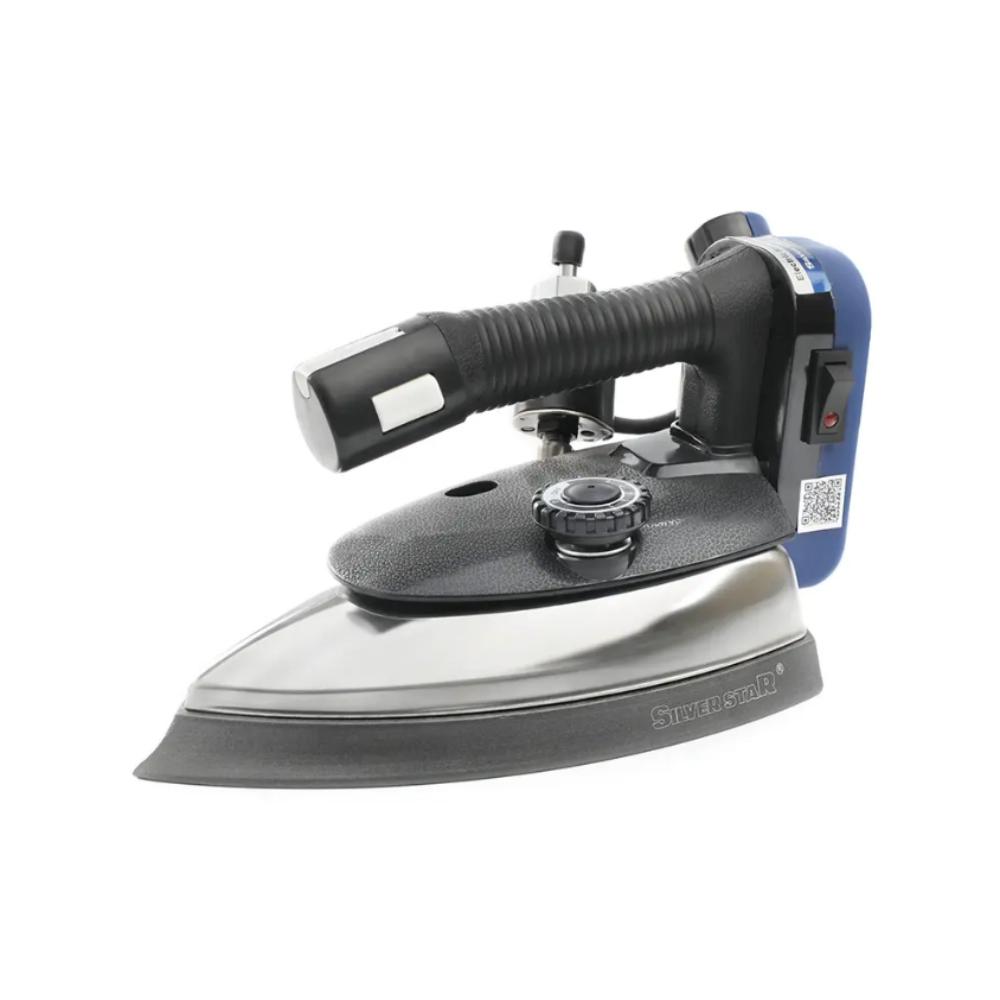
Handheld steamers designed for close-proximity fabric treatment carry a different risk profile than traditional flat irons, since the steam head sometimes makes brief direct contact with fabric during normal use, even on models marketed as touch-free. An electric iron steamer handheld unit with a steam head running hotter than the vapor temperature itself can leave scorch marks on delicate fabric during incidental contact, even though the steam vapor alone would not have caused damage at the same exposure duration.
Manufacturers addressing this risk factor build cooler-running steam head surfaces into models specifically marketed for delicate fabric use, separating the head's surface temperature from the internal water heating temperature responsible for vapor generation. This design separation reduces contact-related scorching risk without compromising the steam output needed to actually relax fabric fibers during treatment.
Manufacturers preparing an electric iron steamer handheld product for retail launch run fabric damage testing across a representative sample of common garment materials, exposing test swatches to sustained steam contact at various distances and durations to establish safe usage parameters before finalizing packaging instructions. This testing generates the specific care guidance printed on product packaging, translating lab results into practical instructions retail customers can follow without needing technical knowledge of thermostat calibration or steam head temperature differentials.
Testing labs increasingly include synthetic blend fabrics alongside natural fiber samples in this protocol, since synthetic materials sometimes react to sustained heat exposure differently than natural fibers even when both fabric types carry similar general care label instructions regarding steam and heat exposure.
Clear fabric compatibility guidance printed directly on electric iron steamer handheld packaging reduces misuse-related damage complaints more effectively than a technically accurate but overly general safety disclaimer buried in fine print. Retailers working with manufacturers on packaging design increasingly request simplified fabric compatibility icons or a brief settings guide printed prominently on the box, recognizing that customers rarely read a full instruction manual before using a new handheld steaming device at home.
Buyers sourcing electric iron steamer handheld units for retail distribution weigh temperature safety features against steam output performance, since overly conservative temperature limits protect delicate fabrics but may frustrate customers treating sturdier garments that would benefit from stronger steam output than a safety-focused fixed setting provides.
Suppliers responding to this tension increasingly design tiered product lines rather than a single universal model, offering a delicate-fabric variant with cooler steam head surfaces and finer temperature control alongside a standard model tuned for everyday cotton and linen care where stronger steam output matters more than fine-grained safety margins. Retail buyers stocking both tiers give customers a clearer path toward the specific electric iron steamer handheld model matched to their garment care needs, rather than forcing every household to compromise between safety and performance within a single fixed-setting product.
 +86-578-3158872 / +86-578-3158958
 jyshengda@163.com / caroying@jy-shengda.com
 No. 8 Nanyi Rd, Huzhen Industrial Park, Zhejiang, China
Copyright © Jinyun Shengda Sewing Equipment Co., Ltd. All Rights Reserved.
Ironing Press Machine Equipment Factory
 English
 中文简体
中文简体 русский
 عربى
عربى