
In garment customization, textile decoration, and product branding industries, production efficiency depends heavily on reliable transfer equipment. A pneumatic single-station heat transfer machine provides controlled pressure and temperature management for transferring patterns, logos, and designs onto different materials, making it an important solution for professional manufacturing environments.
JY Shengda develops garment machinery and related equipment for international customers, including heat transfer machines, ironing equipment, steam accessories, and supporting components. For overseas buyers, selecting suitable equipment requires a detailed evaluation of machine structure, production capability, technical support, and long-term operating requirements.
Industrial buyers usually focus on more than equipment specifications. Factors such as pressure stability, operation consistency, maintenance requirements, and supplier response capability can influence production efficiency after installation. A manufacturer with experience in textile machinery applications can provide more practical solutions according to different production conditions.
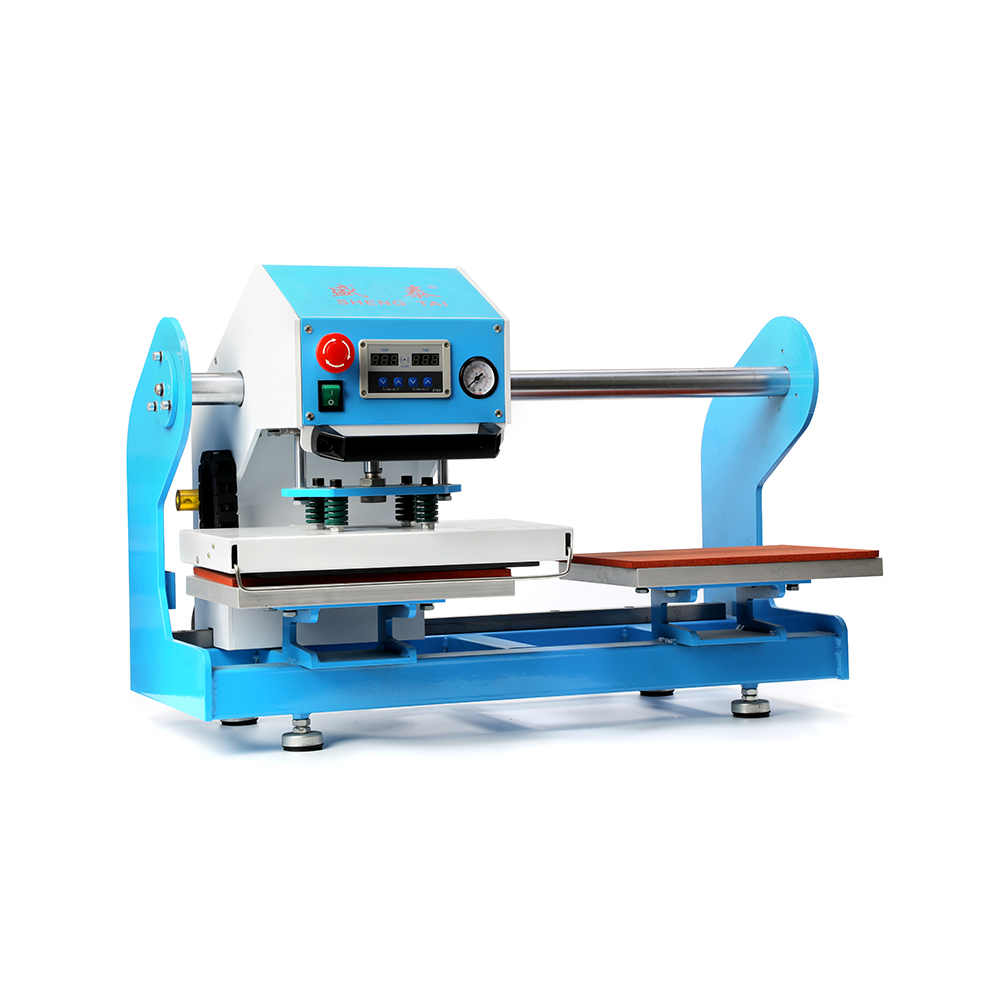
A pneumatic single station heat transfer machine combines pneumatic pressure control, heating components, working platforms, and temperature management systems. Each part needs to work together accurately to achieve stable transfer results during repeated production cycles.
The pneumatic system controls the movement of the pressing structure, providing consistent pressure during the transfer process. Temperature control components maintain suitable heating conditions for different transfer materials, while the working platform design affects positioning accuracy and operation convenience.
JY Shengda pays attention to production details during equipment manufacturing. Component selection, mechanical assembly, electrical installation, and functional testing are managed through organized procedures to maintain equipment reliability.
For industrial procurement teams, understanding manufacturing capability is an important step when comparing suppliers. Equipment quality depends on how effectively a factory manages design, assembly, inspection, and final performance verification.
|
Evaluation Area |
Supplier Capability |
Buyer Consideration |
|
Pneumatic System |
Stable pressure control and mechanical accuracy |
Consistent transfer results during production |
|
Heating Structure |
Temperature control and component reliability |
Suitable operation for different materials |
|
Machine Assembly |
Accurate installation and adjustment |
Reduced equipment setup problems |
|
Quality Testing |
Functional inspection before delivery |
More predictable production performance |
Different garment and printing companies may have different production requirements. Some businesses focus on small-batch customization, while others require equipment that supports continuous manufacturing processes.
A professional equipment supplier should provide flexible solutions according to application conditions. Machine size, working area, operating configuration, and packaging requirements may need adjustment based on customer expectations.
JY Shengda supports customized equipment solutions for global customers. By communicating with buyers about product types, production volume, and working environments, the company can provide equipment configurations that match specific manufacturing requirements.
For distributors and industrial equipment suppliers, customization capability can improve market adaptability. Different regions may have different customer demands, and flexible production support helps create more suitable product offerings.
When purchasing a pneumatic single station heat transfer machine, procurement teams usually review several supplier factors, including factory experience, manufacturing process, quality management, and technical communication.
Production capacity is an important consideration for companies planning long-term cooperation. A supplier should have organized manufacturing procedures to support repeat orders and maintain consistent equipment quality.
Technical support is another factor that influences purchasing decisions. Heat transfer equipment involves mechanical, electrical, and pneumatic systems, so clear product information and professional communication help buyers reduce uncertainty during selection.
JY Shengda provides garment equipment solutions designed for international markets. The company focuses on manufacturing processes, product improvement, and customer requirements to support businesses involved in textile production and customization.
Heat transfer technology is widely used in garment manufacturing, promotional products, sportswear production, and customized textile applications. These industries require equipment that can provide accurate operation while maintaining production efficiency.
A pneumatic single station heat transfer machine is suitable for businesses requiring controlled transfer operations and flexible production arrangements. Compared with manual methods, pneumatic operation provides a more structured approach for professional manufacturing environments.
As customization demand continues to grow, textile businesses are investing in equipment that improves workflow efficiency and product consistency. Manufacturers with strong engineering capability can support these changing requirements through improved machine design and production management.
JY Shengda continues to develop heat transfer equipment and garment machinery solutions for international customers. Through manufacturing experience, customization support, and quality-focused production, the company provides equipment options for businesses seeking reliable partners in the textile machinery supply chain.
 +86-578-3158872 / +86-578-3158958
 jyshengda@163.com / caroying@jy-shengda.com
 No. 8 Nanyi Rd, Huzhen Industrial Park, Zhejiang, China
Copyright © Jinyun Shengda Sewing Equipment Co., Ltd. All Rights Reserved.
Ironing Press Machine Equipment Factory
 English
 中文简体
中文简体 русский
 عربى
عربى